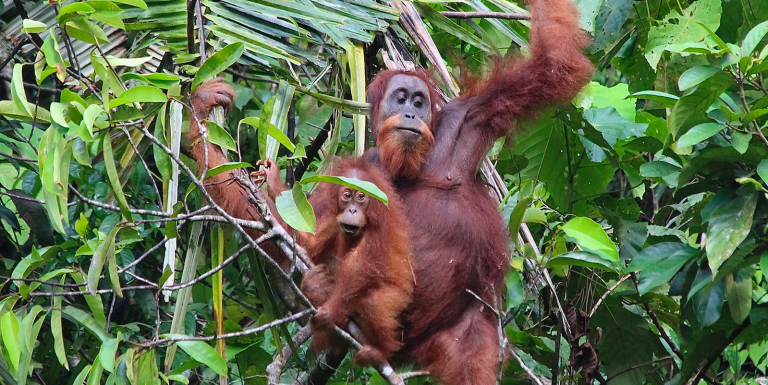
ORANGUTAN SURVEY INTERNSHIP

Maximum Intake

4 interns

Minimum Age

18 years old

Accommodation

Dormitary style

Nearest Airport

Kualanamu International Airport (KNO)

Meals

Three cooked meals a day included

Transportation

Airport transfers included

Protect Sumatra's wild orangutans with hands-on fieldwork

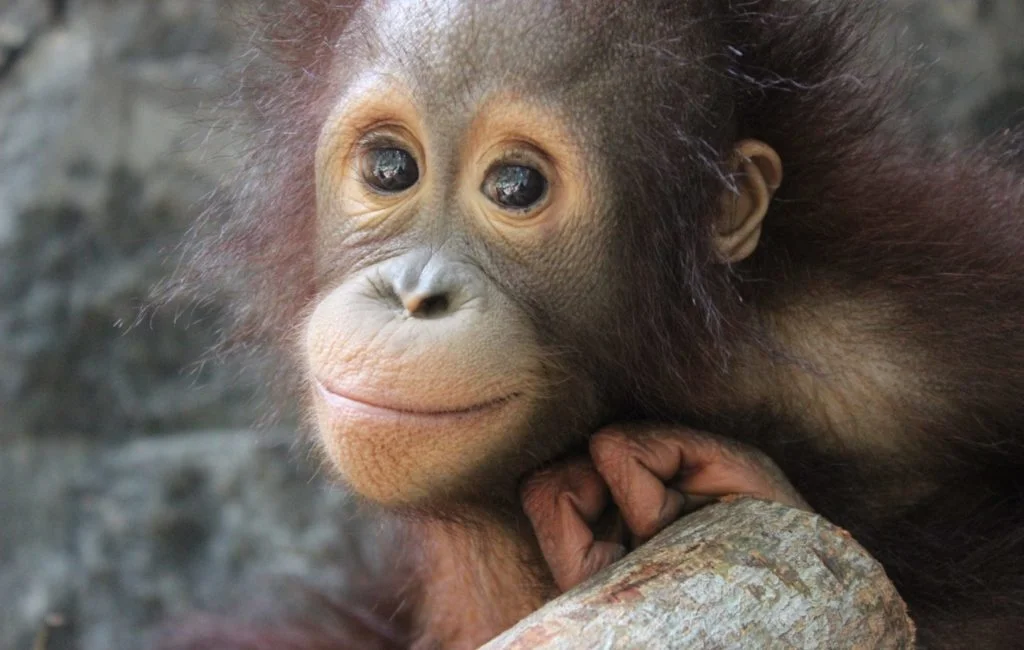
Within the rainforests of North Sumatra, wild orangutan populations are under threat.

You will be working on the boundary of the Gunung Leuser National Park – a UNESCO World Heritage Site and one of the most biodiverse ecosystems on the planet. 

As an intern, you’ll be on the ground doing the work that matters: tracking orangutan populations, mapping critical habitat, and generating real data for one of the world’s most biodiverse ecosystems.

Duties & Responsibilities

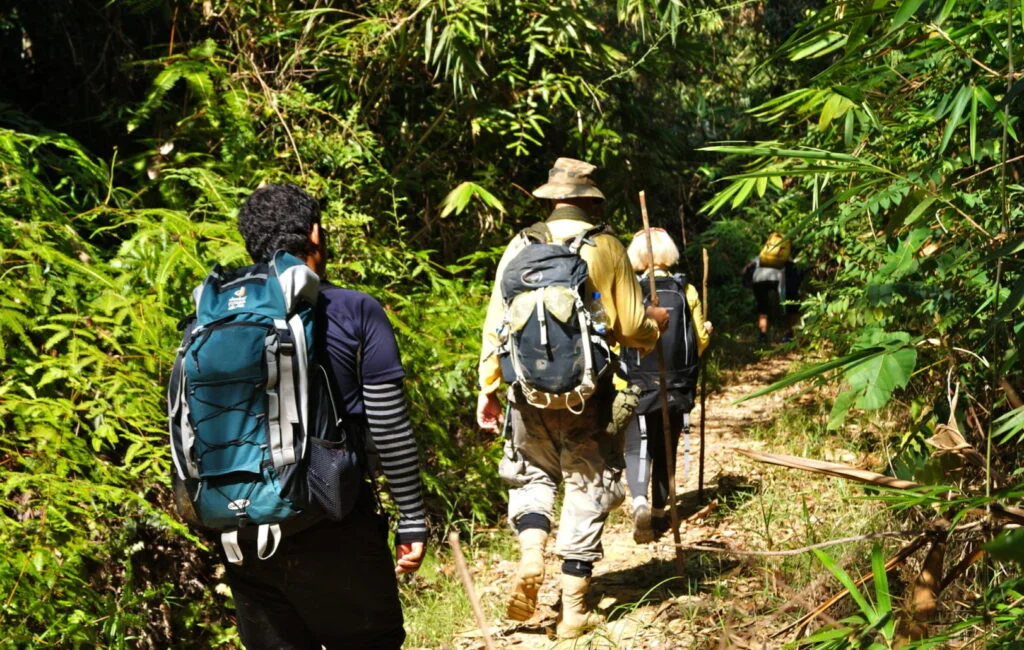
The research focuses on identifying and monitoring a small population of wild orangutans. Using GPS recording and photography, you’ll expand the database of known individuals by observing and documenting their daily activity patterns, locating nests, and building a clearer picture of how this population moves through and depends on the landscape. The work extends into the night too, with dawn, dusk, and spotlight walks to record sightings of orangutans and other wildlife including slow lorises, civet cats, leopards, bats, and porcupines.

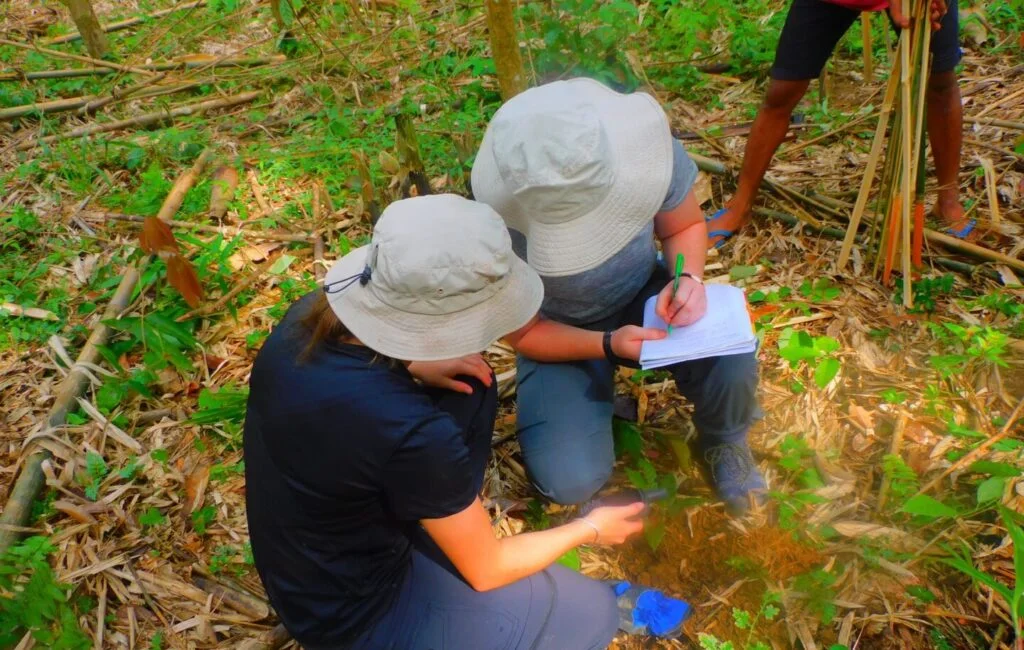
  • Data collection — recording sightings, nests, migration paths, and feeding behaviour using GPS, photography, and standardised data sheets
  • Daily field treks — day and night treks to monitor and collect data in individuals to expand the database
  • Data analysis — recording data and processing collected data sheets to update the existing Excel database
  • GPS trail mapping — using and updating mapping software to record movement and habitat use
  • Fruiting tree surveys — locating and mapping key food sources for the orangutan population, including trembesi, ficus, and pakam
  • Species recording — building a comprehensive list of local plants and animals and identifying their ecosystem services
  • Land use mapping — identifying primary land use in the Batu Kapal area and landowners as potential conservation partners
  • Community activities — assisting with tree planting, plastic waste upcycling, and local engagement initiatives

Dates & Prices

This internship runs year-round and welcomes interns for a minimum of 4 weeks, with stays extendable up to 6 months subject to visa requirements.

US$1,330

For your first 4 weeks

US$280

Per additional week

Includes

  • Dormitory accommodation with private partitioned areas
  • Mattress, fresh bedding, pillow, and mosquito net
  • Three cooked meals a day (vegetarian, vegan, gluten-free, and dairy-free diets accommodated with advance notice)
  • Free coffee, tea, and water throughout the day
  • Airport transfers from Medan International Airport
  • Laundry service and daily cleaning
  • Onsite supervision and technical support
  • A direct contribution to the Project’s conservation and community work


Doesn’t Include:

  • Flights
  • Personal insurance
  • Visa
  • Additional snacks or drinks 
  • Academic supervision

Academic Credits & learning Outcomes

This internship is designed to give you hands-on field experience that translates directly into a career in conservation. Over your time at Batu Kapal, you’ll build a practical and varied skillset across fieldwork, data management, and community engagement.

By the end of your internship you’ll have gained experience in:

  • Wildlife monitoring — tracking wild primates through dawn, dusk, and night walks in a live field setting
  • Data collection and management — recording sightings, nesting patterns, and migration paths using standardised data sheets, Excel, and image libraries
  • GPS and GIS — trail mapping and spatial data recording in active conservation use
  • Species identification — recognising local primates, mammals, birds, and rainforest flora
  • Conservation strategy — contributing to land use mapping and Wildlife Corridor planning
  • Community outreach — science communication through local education sessions and community engagement
  • Cross-cultural working — collaborating with local teams and building professional networks with conservationists and international peers


On successful completion, you’ll receive a certificate alongside a reference to support your CV and LinkedIn profile.

Please note: This internship does not include academic supervision or formal data sharing, and is not suitable for university credit programmes. This is a grassroots, community-led initiative run by the local village and the data collected belongs to the community.

Requirements & Qualifications

This internship is best suited to graduates with a background in biology, ecology, conservation, or a related field who are looking to build practical field experience. You don’t need to have worked in the jungle before, but you do need to be prepared for it.

You’ll need:

  • A Bachelor’s degree in a relevant subject (biology, ecology, environmental science, or similar), including research and data collection experience
  • English fluency – strong written and verbal communication is essential
  • Computer proficiency – comfortable working in Word, Excel, and PowerPoint, with a working knowledge of GIS software
  • The ability to work independently 
  • Strong organisational skills – able to manage your time and stay on top of data recording in the field
  • Confidence presenting – able to put together and deliver clear, professional presentations
  • Patience, flexibility, and a positive attitude — field conditions are unpredictable and the work requires patience


Undergraduates are welcome to apply as volunteers to observe and assist the team.

About This Project

Bukit Lawang is a small village in North Sumatra, nestled on the boundary of the Gunung Leuser National Park -. This is one of the last places on Earth where orangutans, tigers, elephants, and rhinos still share the same forest.

The village has earned a reputation for primate spotting while remaining relatively unspoiled,  with local guesthouses, small eateries, and the Landak River running through it. Beyond the forest, there’s plenty to explore on your days off: river tubing, caving to find colonies of bats and swallows, or a day trip to the Tangkahan elephant sanctuary. Further afield, we can arrange visits to the volcanic Lake Toba – a stunning natural landmark steeped in the indigenous Batak tribal heritage that defines this part of Sumatra.


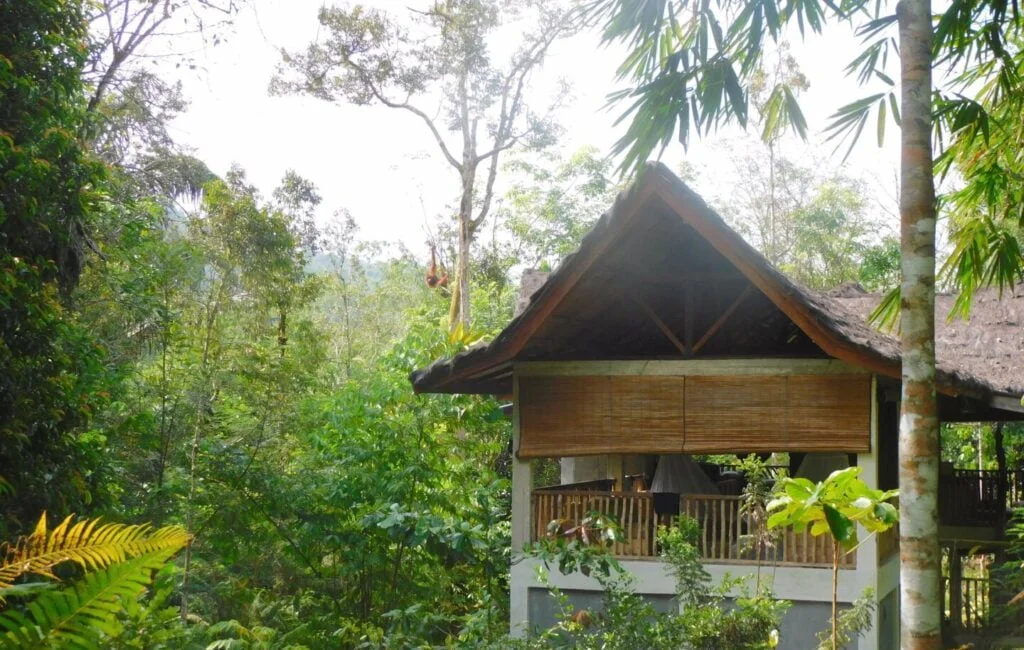
Accommodation is dormitory-style with shared bathroom facilities, a cold-water shower, and a Western-style toilet. A mattress, fresh bedding, a pillow, and a mosquito net are all provided — just bring your own towel and toiletries. Laundry service and daily cleaning are included in your fee.

Three cooked buffet-style meals are provided daily, shared with the whole team. Expect a varied spread of Indonesian dishes – rice, noodles, vegetables, curries, tofu, and eggs, with breakfast options like pancakes, omelettes, and fresh fruit. Free coffee, tea, and water are available throughout the day.


Map

Reviews

A Latin professor at Hampden-Sydney College in Virginia, looked up one of the more obscure Latin words, consectetur, from a Lorem Ipsum passage, and going through the cites of the word in classical literature, discovered the undoubtable source.

Hasan Mahfuzul

Content Cookhouse

It is a long established fact that a reader will be distracted by the readable content of a page when looking at its layout. The point of using Lorem Ipsum is that it has a more-or-less normal distribution of letters

Nazia Mishkat

Coats Bangladesh

Lorem Ipsum is simply dummy text of the printing and typesetting industry. Lorem Ipsum has been the industry’s standard dummy text ever since 1966, when designers at Letraset and James Mosley, the librarian at St Bride Printing Library in London, took a 1914 Cicero translation and scrambled it to make dummy text for Letraset’s Body Type sheets.

Mahfuzul Hasan

Krypton

FAQ

Do I need prior field experience?
No, but you do need to be prepared for it. You’ll need a Bachelor’s degree in a relevant subject such as biology, ecology, or environmental science, along with research and data collection skills. What matters most is a positive attitude, physical fitness for daily jungle trekking, and a willingness to work in unpredictable conditions.
This internship is not suitable for university credit programmes. As a grassroots, community-led initiative run by the local village, the data collected belongs to the community and cannot be shared or published for academic research. It is designed for graduates and career-switchers looking to build practical field experience rather than fulfil formal study requirements.
Yes. Vegetarian, vegan, gluten-free, and dairy-free diets can all be accommodated. Please let us know your requirements in advance so the team can make the necessary arrangements.
Yes. Stays can be extended up to six months, subject to Indonesian visa requirements. Additional weeks are charged at US$280 per week, covering the same accommodation, meals, and support as your initial placement.